

Asthma Flare-Ups
Overview
What's an Asthma Flare-Up?
An asthma flare-up is when asthma symptoms get worse, making someone wheeze, cough, or be short of breath. An asthma flare-up can happen even when someone's asthma is well-controlled.
Asthma flare-ups are also called asthma attacks or exacerbations.
-
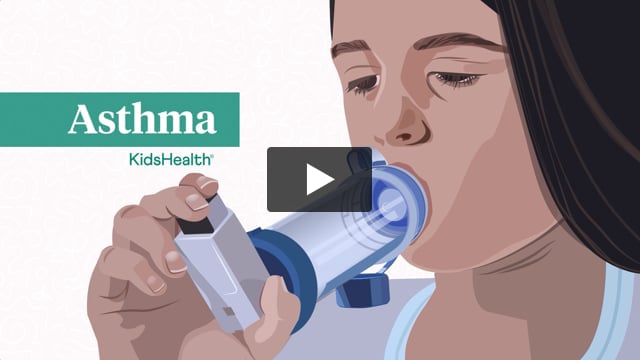
Asthma
Learn more about asthma.
Signs & Symptoms
What Are the Signs & Symptoms of an Asthma Flare-Up?
After you've had a few flare-ups, you may notice that you feel a certain way when one is coming on.
With asthma, the airways are always slightly inflamed (irritated and swollen), even when the person seems to be breathing fine. Flare-ups happen when the airways get more irritated and swollen than usual. The lungs might make a sticky mucus, which clogs the airways. The muscles around the airways will also tighten up, making them really narrow. This clogging and narrowing make it hard for air to get through.
Early Warning Signs of a Flare-Up
Early warning signs can include:
- mild coughing
- throat clearing
- fast or irregular breathing
- feeling very tired
- trouble doing everyday activities
- restless sleep
- stomachache or headache
- mood changes
Flare-Up Symptoms
During a flare-up, symptoms include:
- worsening cough, especially at night or while active
- trouble breathing
- tight chest
- whistling sound while breathing out (wheezing)
Severe Flare-Up Symptoms
Some flare-ups are mild, but others are serious. They can happen suddenly, or build up over time, especially if you haven't been taking your asthma medicine. Severe symptoms include:
- struggling to breathe or breathing fast even when sitting still
- not being able to speak more than a few words at a time without pausing
- sucking in muscles in the neck and chest while breathing in
Causes & Prevention
What Causes Asthma Flare-Ups?
Things called “triggers” can make asthma symptoms worse and cause a flare-up. Triggers include:
- allergies
- viral respiratory infections (like the flu or common cold)
- tobacco smoke
- cold and dry air
- hot and humid air
- pet dander
- pollen
How Can I Prevent Asthma Flare-Ups?
Asthma flare-ups can be handled, but it's even better if you can prevent them. It's important to plan ahead and know what to do. If you have asthma, work with your doctor to build and update your asthma action plan. That way, you know what to do if a flare-up happens and you're in control if things get serious.
Stick to Your Treatment Plan
Remember to:
- Take asthma medicines as directed. If you are supposed to take a medicine every day, keep taking it, even if you feel fine and don’t have any symptoms.
- Always have medicine available for quick relief of symptoms (at home, at school, etc.).
Avoid Triggers
By knowing and avoiding your triggers, you might be able to prevent some flare-ups.
Stay Vaccinated
Get a COVID-19 vaccine and get a flu shot each year before flu season starts.
Treatment & Care
How Do I Handle an Asthma Flare-Up?
If you feel like a flare-up is about to happen, stay calm. Let people around you know what's going on. Then remember your asthma action plan. That's the written plan that tells you what to do next.
Stay calm and focus on what your asthma action plan says. Your doctor probably told you to use your quick-relief medicine, so do that first. If you already take a daily medicine, the “quick-relief” medicine might be extra doses of the daily medicine, or it might be a different type.
If you can figure out what triggered your symptoms (like a pet or someone who is smoking), remove the trigger — or yourself — from the area. Sometimes that's all you need to get your asthma under control again.
If a flare-up is more severe, you might need to get help.
When Should I Get Emergency Care?
Don't be embarrassed to get medical help if you think you need it. Get emergency care if you:
- take your asthma medicine and your flare-up doesn't get any better
- feel a little better after taking your medicine, but your symptoms come back quickly
- have frequent wheezing, a lasting cough, or chest pain
- have bluish or grayish lips and fingernails
- have trouble breathing, talking, or walking