

Conjunctivitis (Pink Eye) In Kids
Overview
What Is Pink Eye?
The eye infection conjunctivitis (kun-junk-tih-VY-tus) — often called pink eye — is common in young kids. It's usually contagious, and breakouts can sweep through preschools and playgrounds. But even teens and adults can get pink eye.
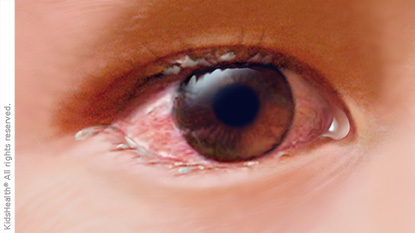
Pink eye is an inflammation of the conjunctiva, the white part of the eye and the inner eyelids. It can be caused by viruses, bacteria, or allergies.
Pink eye might look bad, but it usually isn't serious. If your child has pink eye symptoms, see a doctor. Most kinds of pink eye go away on their own, but others need treatment.
Top Things to Know
- Pink eye is common in kids.
- Symptoms include swelling, redness or pinkness of the eye, discharge (yellow, green, or white), itching, or irritation.
- Pink eye can be caused by viruses, bacteria, or allergies.
Signs & Symptoms
What Are the Signs & Symptoms of Pink Eye?
Besides the telltale red or pink color that gives pink eye its name, eye discomfort is a common symptom. Kids might say that it feels like there's sand in the eye. Often, there's some discharge from the eye, and pain and swelling of the conjunctiva. Some kids have swollen eyelids or sensitivity to bright light. Pink eye can affect one or both eyes.
When pink eye develops as a result of an allergy, itchiness and watery eyes are common.
When Should I Call the Doctor?
Call the doctor if your child has:
- symptoms of pink eye
- pink eye that hasn’t gone away after two to three weeks
- new symptoms like vision problems or eye pain
- increased swelling, redness, or tenderness in the eyelids and around the eye, or develops a fever. This may mean the infection has started to spread beyond the conjunctiva and will need further treatment.
Causes & Prevention
What Causes Pink Eye?
Pink eye can be caused by a virus, bacteria, or allergy.
Viral pink eye or bacterial pink eye (also called infectious pink eye) can be caused by many of the bacteria and viruses responsible for colds and other infections — including ear infections, sinus infections, and sore throats.
Pink eye can also be caused by allergies or irritants (like air pollution or chlorine in pools). Allergic pink eye happens more often in kids with allergies, like hay fever (seasonal allergies). Triggers can include grass, ragweed pollen, animal dander, and dust mites.
How Does Pink Eye Spread?
A child can get pink eye by touching an infected person or something an infected person has touched, such as a used tissue. In the summertime, pink eye can spread when kids swim in contaminated water or share contaminated towels. It also can spread through coughing and sneezing.
Also, someone who has pink eye in one eye can spread it to the other eye by rubbing or touching the infected eye, then touching the other eye.
Pink Eye in Newborns
If a pregnant woman has a sexually transmitted disease (STD), during delivery the bacteria or virus can pass from the birth canal into the baby's eyes, causing pink eye. Newborns can develop serious health problems if they have pink eye that is not treated.
To prevent this, doctors give antibiotic ointment or eye drops to all babies right after birth. Occasionally, this treatment causes mild irritation, which usually clears up on its own.
Is Pink Eye Contagious?
Viral and bacterial pink eye are highly contagious. Viral pink eye is usually contagious before symptoms appear and can stay that way as long as symptoms last.
Bacterial pink eye can spread to others as soon as symptoms appear and for as long as there are symptoms — or until 24 to 48 hours after antibiotics are started.
Can Pink Eye Be Prevented?
Viral or Bacterial Pink Eye
Infectious pink eye is highly contagious, so teach kids to wash their hands well and often with water and soap. They also should not share eye drops, tissues, eye makeup, washcloths, towels, or pillowcases.
Be sure to wash your own hands well after touching an infected child's eyes, and throw away items like gauze or cotton balls after they've been used. Wash towels and other linens that the child has used in hot water separately from the rest of the family's laundry to avoid contamination.
Clean items in your home that are frequently touched and can spread germs, like door knobs and shared toys.
Allergic Pink Eye
If you know your child is prone to allergies, keep windows and doors closed on days when the pollen count is high, and dust and vacuum often (when your child is not nearby, if possible) to limit allergy triggers. Irritant conjunctivitis can be prevented by avoiding irritating causes.
Pink Eye in Newborns
Screening and treating pregnant women for STDs can prevent the most serious causes of pink eye in newborns. A pregnant woman may have bacteria in her birth canal even if she shows no symptoms, which is why prenatal screening is important.
How Is Pink Eye Diagnosed?
Your doctor will examine your child’s eyes for signs of pink eye, like redness, swelling, and discharge. The doctor may check your child's ears to see if there's an ear infection, as the same germs that cause pink eye can cause ear infections.
The doctor may ask questions about your child's general health, symptoms, timing of symptoms, and ask if anyone else in the family or at school is sick. They may also check if your child has been exposed to anything that could bother their eyes.
Based on the exam and the questions, your doctor can diagnose pink eye and if it’s likely being caused by a virus, bacteria, or an allergy.
Treatment & Care
How Is Pink Eye Treated?
Pink eye that’s caused by a virus usually goes away without any treatment. When it’s caused by bacteria, it’s sometimes treated with antibiotic eye drops or ointment.
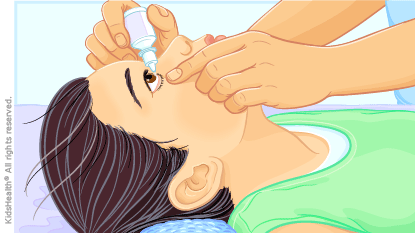
It can be hard for some kids to tolerate eyedrops. If you're having trouble giving them, put the drops in the inner corner of your child's closed eye — when your child opens the eye and then blinks, the medicine will flow into it. If you still have trouble, ask the doctor about antibiotic ointment, which can be placed in a thin layer across the inside of the eyelid.
If your child’s pink eye is caused by allergies, your doctor may prescribe anti-allergy medicine, either by mouth or as eye drops.
Home Care
At home:
- Using cool or warm compresses on the eyes may make your child more comfortable.
- Clean the edges of the eye carefully with warm water and gauze or cotton balls. If you use a washcloth, use a clean washcloth each time, and for each eye. Gentle cleaning can help remove the crusts of dried discharge that make the eyelids stick together in the morning.
- Use artificial tears as directed to soothe the eyes. It can help if they are kept in the refrigerator.
- If your child wears contact lenses, lenses should not be worn until pink eye is gone. Disinfect the lenses and their storage case at least twice before letting your child wear them again. If your child wears disposable contact lenses, throw away the current pair and use a new pair after the infection is gone.
- Wash towels and other items in hot water and dry on high setting to reduce the risk of anyone else in the family catching pink eye.
- Make sure everyone washes their hands well to help stop the spread of germs.
What Else Should I Know?
Other eye conditions can sometimes cause similar symptoms to pink eye, and can sometimes be more serious. Seeing the doctor can help make sure your child is treated as needed.