



-

Reading Milestones
There are milestones on the road to reading, and kids reach them at different ages. Getting help early is key for kids who struggle to read.
-
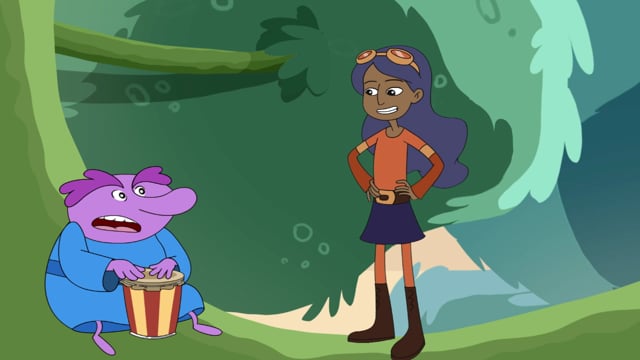
Body Basics Videos — Just for Kids!
Kids love our Chloe & Nurb videos about how the body works.
-
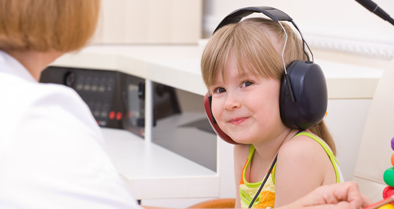
Hearing Tests
Even mild hearing loss can cause problems with speech, language, learning, and social skills. That’s why it's important for kids' hearing to be checked regularly.
Managing Your Toddler's Behavior
Learn how to encourage good behavior, handle tantrums, and keep your cool when parenting your toddler.
Questions and Answers
-
When gun violence is in the news, kids might worry that it could happen to them or someone they love. So it's important to talk to them about it.
-
Babies younger than 1 year old should not have honey because it can contain a type of bacteria that causes infant botulism.
-
Most breaks heal well. Within a few months, kids usually are back to all the activities they enjoyed before the broken bone.