

Feeding Your 1- to 2-Year-Old
Toddlers this age are moving toward a diet more like your own. Keep introducing new flavors and textures when choosing food for your 1- or 2-year-old. Food preferences are set early in life, so help your child develop a taste for healthy foods now.
Build Healthy Eating Habits
Toddlers have little tummies, so when deciding what to feed them, pick foods that are packed with the nutrients they need to grow healthy and strong. Here are some other smart eating tips:
- Avoid sweets and empty calories.
- Don’t give your child sugar-sweetened drinks, like soda, juice drinks, sports drinks, and flavored milks.
- Limit 100% fruit juice to no more than 4 ounces a day.
- Serve juice in a cup, not in a bottle.
-
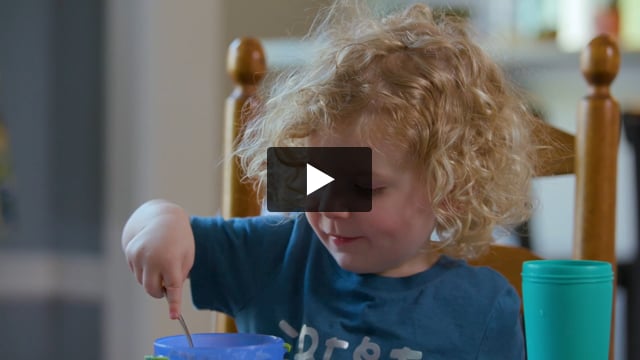
Handling Picky Eating in Toddlers
Make mealtimes more pleasant and less stressful for everyone by learning how to handle a picky eater.
Encourage Independence
Your toddler will continue to explore self-feeding, first with the fingers and then with utensils at around 15–18 months of age. Give your child lots of chances to practice these skills, but lend a hand when frustrations arise. As skills develop, step back and let your little one take over.
Toddlers like to assert their independence, and the table is one place to give yours some sense of control. Serve a variety of healthy foods from all the food groups and let your child decide which of those foods to eat and how much.
What About Milk?
Milk is an important part of a toddler's diet because it provides calcium and vitamin D, which help build strong bones. Most kids under age 2 should drink whole milk. If a toddler is overweight or there is a family history of obesity, high cholesterol, or heart problems, your doctor might recommend switching to reduced fat (2%) milk.
If your child can’t drink cow’s milk, choose unsweetened soy drinks fortified with calcium and vitamin D. Other milk alternatives (like almond, oat, rice, or coconut) have less protein and may not be fortified.
Kids this age don’t need special toddler milk or formulas, which contain added sugars. Toddlers can get all the nutrition they need by drinking cow’s milk or a fortified soy drink and eating a variety of solid foods.
When your child is 2, you can switch to low-fat or nonfat milk.
When Should My Toddler Use a Cup?
Between 12 and 18 months of age is a good time to fully move to a cup. Instead of stopping bottles all at once, slowly drop them from the feeding schedule, starting with mealtime. Serve whole milk in a cup after your child has begun the meal and offer water throughout the day.
Why Is Iron Important?
Iron makes the red blood cells that carry oxygen throughout the body. Low iron levels can affect growth and may lead to learning and behavior problems and anemia (a low number of red blood cells).
After 12 months of age, toddlers may not get enough iron because they no longer drink iron-fortified formula and they may not get enough iron-rich foods in their diet.
Tips for Getting Enough Iron
To help prevent iron deficiency:
- Limit your child's milk intake to 16–24 ounces (480–720 milliliters) a day. Too much cow’s milk can fill kids up so they won’t have room for foods that have plenty of iron. Also, the nutrients in milk can prevent the body from absorbing iron from other foods.
- Include iron-rich foods in your child's diet, like meat, poultry, fish, beans, and iron-fortified foods.
- Continue serving iron-fortified cereal until your child is eating a variety of iron-rich foods.
Talk with your doctor if your child drinks a lot of cow's milk, isn't getting enough iron-rich foods, or if you're thinking of giving your child a multivitamin.
What Foods Should I Avoid Giving My Toddler?
Avoid giving toddlers between 12 and 24 months:
- foods with added sugars or no-calorie sweeteners, including sugar-sweetened and diet drinks
- high-sodium foods
- unpasteurized juice, milk, yogurt, or cheese
- foods that may cause choking, such as hot dogs, raw vegetables, grapes, hard cheese, popcorn, and nuts
Always supervise when your child is eating. Make sure toddlers sit up in a high chair or other safe place where they can eat calmly without distractions or rushing. Offer a variety of healthy foods, and watch for allergic reactions when giving new foods.
How Much Should a 1- or 2-Year-Old Eat?
Schedule three meals and two or three healthy snacks a day. But expect your toddler to sometimes eat less or skip meals. This can be hard for many parents, but kids should be allowed to respond to their own feelings of hunger and fullness.
Signs of Fullness
Toddlers who are full may push food away, close their mouths or turn their heads away from food, use hand gestures, or make sounds to let you know they have had enough. Don't push food on a child who's not hungry.
If you have any questions about what and how much your child is eating, talk with your doctor.