
Scoliosis: Bracing

Overview
What Is a Scoliosis Brace and Why Is It Used?
Scoliosis makes a person's spine curve from side to side. These curves can get worse as kids grow and can sometimes cause health problems. To help prevent this, doctors may recommend that kids wear a back brace for scoliosis while they're growing.
A scoliosis brace is a flexible plastic “jacket” that fits around the torso, from under the arms down to the hips. It has straps to keep it in place.
A brace is also called an orthotic or orthosis, and there are different kinds. Most can be worn under clothes. Wearing a brace is often the first step for kids who need treatment for idiopathic scoliosis (scoliosis that doesn’t have a clear cause). The goals are to stop the curve from getting worse and to help kids avoid spinal fusion surgery.
Top Things to Know
- A scoliosis brace is a flexible plastic “jacket” that keeps the spine from curving more.
- Bracing works best while kids are still growing.
- Many braces are custom-made and shaped to fit your child’s body and curve.
- Your doctor will help you choose what kind of brace is right for your child.
How Does Bracing Work?
A scoliosis back brace keeps the spine from curving more as the body develops. An orthopedic provider, who cares for bones and muscles, will examine your child and help choose a brace. This will be based on the kind of scoliosis, how severe it is, and where it is on the spine. Selecting a brace that your child is more likely to wear is also important.
For bracing to work, your child must still be growing. So before prescribing a brace, orthopedic providers will make sure that your child isn't too far along in growth and development. To do this, they may:
- track your child's height
- ask about signs of puberty, like periods
- review X-rays of the hip, hand, and wrist bones, which can help show if the skeleton is still growing
The brace helps press on the outside of the curve to guide the spine back to its normal alignment. Your doctor will tell you how many hours a day your child needs to wear it.
Custom Fit
Each child's body and curve, or curves, are unique, so a brace must be specially made. Your doctor will send you to an orthotist — an expert who makes and fits devices like braces and prostheses (artificial body parts). Some hospitals have in-house orthotics experts who can make braces in a day. In other cases, it may take a few weeks.
As kids grow, orthotists may need to adjust or even replace the brace.
Is a Brace Always Needed?
Braces don't work on every curve. They may not help if a curve is too big (usually more than 40 degrees). And a brace may not be needed if a curve is too small (less than 20 degrees).
Types of Scoliosis Braces
Wilmington Brace
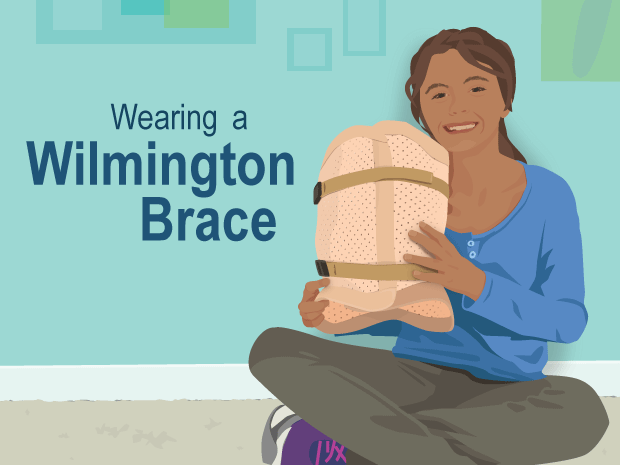
This is a jacket-style brace that treats moderate curves in the ribcage and lower spine. Wilmington braces have helped many children.
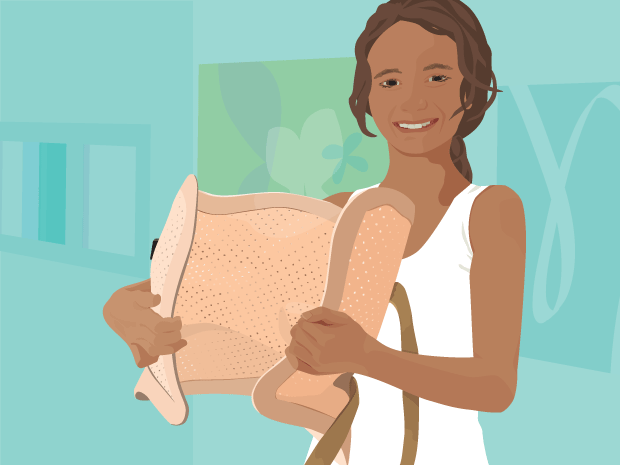
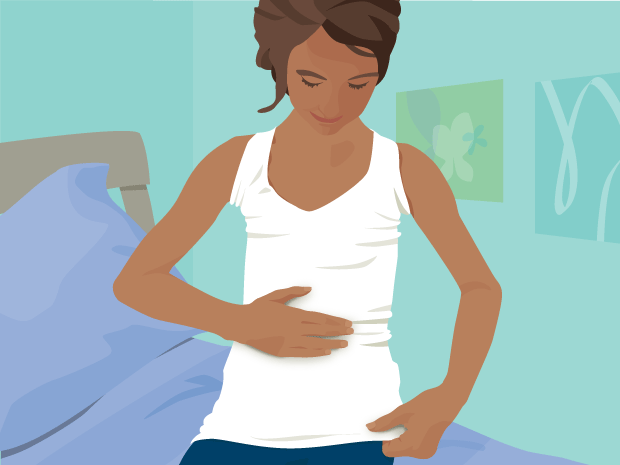
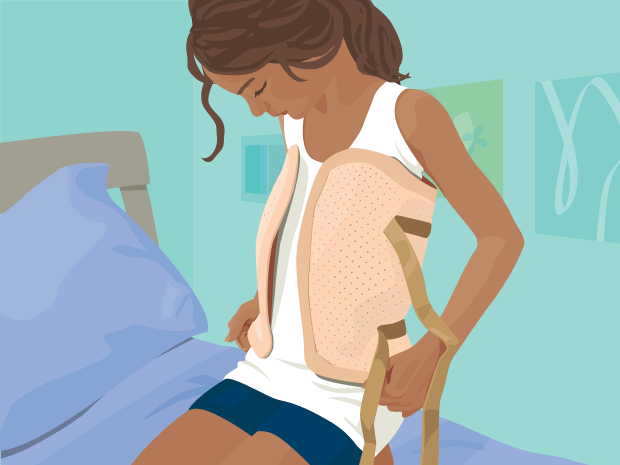
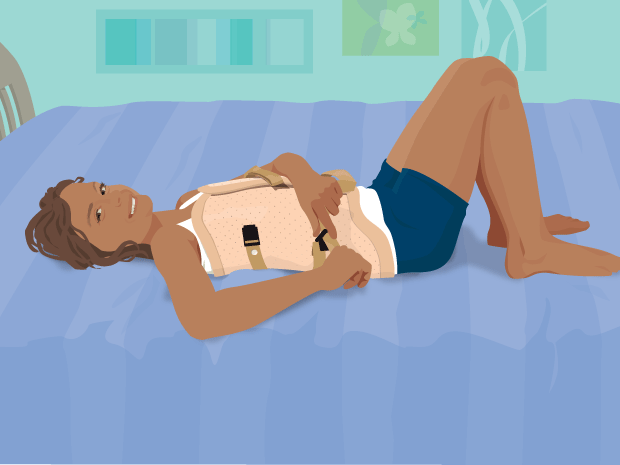
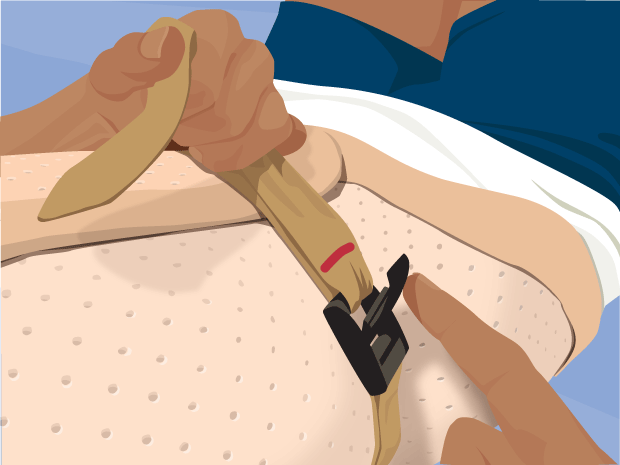
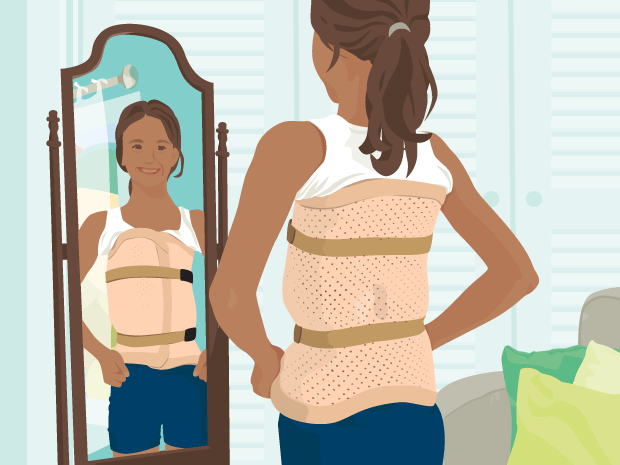
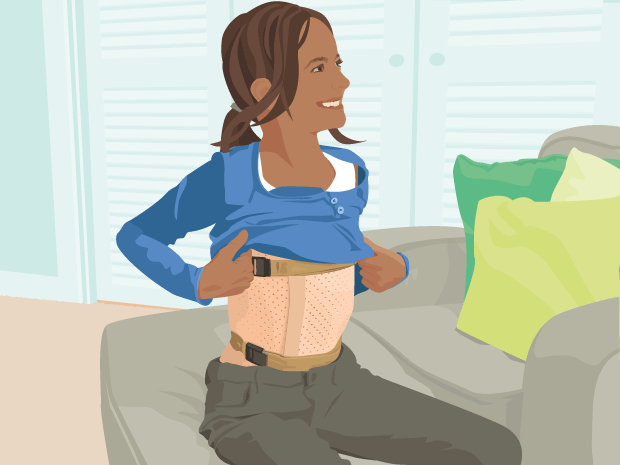
These braces fit under clothing. They cover the torso from armpits to hips and are made of lightweight rigid plastic. They're made to fit a child's body and use special shaping and padding to adjust the spine's alignment in the brace.
The Wilmington brace closes in the front and is custom molded to fit each child. An orthotist makes a plaster mold of the child's torso, then uses it to create a brace.
The number of hours per day that kids need to wear the brace can vary but is usually between 12 and 23 hours.
Boston Brace
The Boston brace closes in the back. Some Boston braces are customized with pads and cut-outs (spaces in the brace that make it easier to breathe). Other kinds of the brace aren’t custom and have pads inserted into a standard mold.
Rigo-Cheneau Brace
The Rigo-Cheneau brace is a custom plastic brace that’s sometimes used with the Schroth method of physical therapy. It has open areas that let the child’s body expand during breathing and exercise. Kids wear the brace for 12–20 hours a day.
Charleston Bending Brace
This brace is worn only at night. Like daytime jacket-style braces, it's a solid piece of plastic that holds the back in position. Instead of keeping the child upright, it's shaped to "overcorrect" the curve by keeping the spine bent to one side. Charleston braces usually help only C-shaped curves in the back.
Milwaukee Brace
This was the first type of brace invented to treat scoliosis. Like jacket-style braces, kids wear a Milwaukee brace 12–20 hours a day. It's a solid piece of plastic that fits around the hips and waist with vertical bars in the front and back that attach to a ring around the child's neck. Because it's harder to wear, this brace is rarely used anymore.
How Long Do Kids Wear a Brace?
Bracing works best when a child is growing and before the curve is too big. Bracing ends after a child stops growing. That can take a couple of years. How long kids wear scoliosis spine braces depends on their curve and when they're done growing.
What Problems Can Happen?
Braces are designed to fit tightly against the body, and that can lead to skin chafing from heat or rubbing. Protecting the skin is important, so follow the instructions for cleaning and caring for the brace. Be sure your child always wears a thin, tight-fitting, shirt under the brace. Choose one that’s sweat-wicking (pulls sweat away from the skin to keep it drier).
Some redness is normal when wearing a brace, but call your doctor if:
- Redness doesn't go away within 30 minutes after taking off the brace.
- Your child develops blisters or sores.
- Your child gets a rash under the brace.
A couple of other short-term issues can happen with braces. For example, some kids may not be able to breathe as deeply with the brace on. Or the brace may feel too tight right after eating. But the biggest problem with scoliosis braces is that some kids don't want to wear them.
What If My Child Won’t Wear a Scoliosis Brace?
Most kids do a good job wearing a brace. But when things get tough, be supportive and encourage your child to talk about it. Work together to come up with solutions and incentives to get your child to wear the brace. For example, schedule any “off time” from wearing the brace to let kids do something active outside, like playing sports.
Creating a schedule or calendar for brace wear throughout the week can help keep your family organized and on track.
Your care team is a resource — for you and your child. They know that it can be hard for some kids to wear a brace at times and can give you tips on how to handle the challenge.
What Else Should I Know?
When kids are finished with bracing, most switch easily to their brace-free life. If they still have back pain, they might need physical therapy to build up muscle strength. Other than that, kids should be able to return to all their normal activities.
 Note: All information is for educational purposes only. For specific medical advice,
diagnoses, and treatment, consult your doctor.
Note: All information is for educational purposes only. For specific medical advice,
diagnoses, and treatment, consult your doctor.
© 1995- The Nemours Foundation. KidsHealth® is a registered trademark of The Nemours Foundation. All rights reserved.
Images sourced by The Nemours Foundation and Getty Images.