Fever (High Temperature) In Kids

Overview
What Is a Fever?
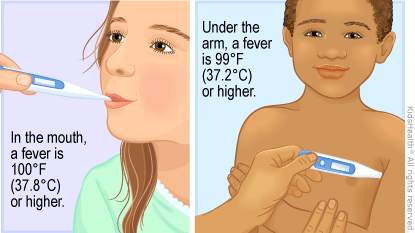
A fever means that the body’s temperature is 100.4°F (38°C) or higher. Because temperatures can be taken in different places in the body, the reading, or number, that means “fever” can be a little different depending on where you measure it.
It's a fever when a child's temperature is at or above one of these readings:
- 100.4°F (38°C):rectal (in the bottom), tympanic (in the ear), or temporal artery (across the forehead)
- 100°F (37.8°C):oral (in the mouth)
- 99°F (37.2°C):axillary (under the arm)
Fevers in kids are usually caused by an infection. A fever helps the body’s immune system kick into action and fight the infection.
Top Things to Know
- A fever is usually a temperature of 100.4°F (38°C) or higher, depending on how it's measured.
- Most fevers are caused by infections and help the body fight off germs.
- Symptoms may include warmth, crankiness, chills, headache, and flushed skin.
- Keep kids comfortable with light clothing, rest, and plenty of fluids.
Signs & Symptoms
What Are the Signs and Symptoms of a Fever?
Here are fever symptoms to watch for in kids:
- feeling warm
- acting differently (they might be fussy or cranky, or quieter than usual)
- breathing a little faster or having a faster heart rate than normal
- having a headache
- having chills or sweating
- having red or flushed skin
For any of these signs, take your child’s temperature to know if it’s really a fever.
When to Go to the Emergency Room or Call the Doctor
Go to the ER if your child has a fever and:
- is crying nonstop or is extremely cranky or fussy
- is sluggish and hard to wake up
- has purple spots that look like bruises
- has blue lips, tongue, or nails
- has a bulging or sunken soft spot on the head (in babies)
- has a stiff neck, severe headache, or bad belly pain
- is limp or refuses to move
- has trouble breathing that doesn’t get better when the nose is cleared
- has a seizure
Call your doctor right away if your child:
- is younger than 3 months old with a temperature of 100.4°F (38°C) or higher. If you can’t reach your doctor, go to the emergency room (ER).
- is any age but has a health problem like cancer or sickle cell disease and has a fever
If your child has an ongoing health issue, make sure you know when the doctor should be called for fever.
Call your doctor if your child is 3 months or older, has a fever, and:
- doesn’t want to drink or seems too sick to drink enough
- has lasting diarrhea or repeated vomiting
- seems dehydrated, like urinating (peeing) less, not having tears when crying, or being less alert and less active
- has a specific complaint, like a sore throat, an earache, or pain with peeing
- has a rash
- the fever last longer than 2–3 days
- fever keeps going above 104°F (40°C)
- looks really sick to you or seems to be getting worse
When Is a Fever Probably Not Serious?
A fever is likely not serious if your child is 3 months or older and:
- is still interested in playing
- is drinking well
- is alert and smiling
- has normal skin color
- looks well when the temperature comes down
It’s normal for kids with a fever to eat less. This is common with infections that cause fever. As long as your child is drinking and peeing normally, not eating as much as usual is OK.
Causes
What Causes a Fever?
The most common cause of fever is an infection, but one can also be caused by:
- Overdressing. Infants, especially newborns, may get fevers if they're overdressed, wrapped in a blanket, or in a hot environment because they don't regulate (control) their body temperature as well as older kids. But because fevers in newborns can be a sign of a serious infection, even infants who are overdressed must be checked by a doctor if they have a fever.
- Vaccines. Babies and kids sometimes get a mild fever that lasts about a day after getting vaccinated.
- Teething. A child who has a tooth or teeth coming in might have a slight rise in body temperature, but it's probably not the cause if the temperature is higher than 100°F (37.8°C).
How to Take Your Baby's Temperature
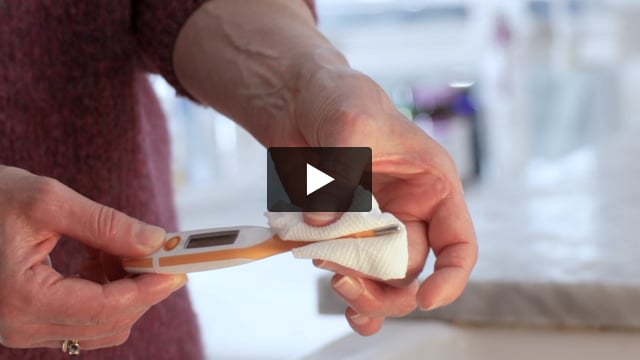
Learn how to take your baby's temperature safely and accurately by using a rectal thermometer.
Taking Your Child’s Temperature
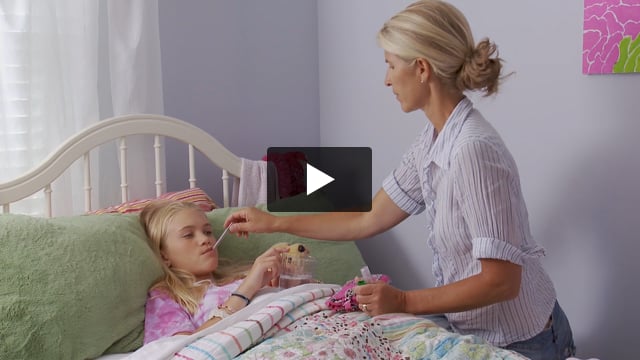
Your child feels warm, but is it a fever? Now, more than never, it’s important to know. Here's how to use a thermometer to get an accurate reading at every age.
How Should I Take My Child's Temperature?
If your child feels warm or is acting unwell, use a digital thermometer to check for a fever. Some ways of taking a temperature are more accurate than others at measuring the true body temperature.
The best way to take a temperature:
- For kids 3 years old and younger: in the bottom
- For kids 4 or older who can cooperate: by mouth
- For any age: The forehead and under the armpit are easiest but not always as accurate. In the ear is OK for kids 6 months and older.
Treatment & Home Care
How Is It Treated?
When kids have a fever, no treatment is needed if they’re still playing and drinking normally, and seem comfortable. If they aren’t feeling well though, there are ways to help them feel better.
Medicines
Give medicine if your child has a fever and isn’t comfortable or can’t drink. (But don’t give any medicine to babies younger than 3 months old unless your doctor tells you to.)
You can try one of these:
- acetaminophen (like Tylenol or a store brand)
or
- ibuprofen (like Advil, Motrin, or a store brand) Do not give ibuprofen to children younger than 6 months old.
Unless your doctor tells you to, never give aspirin to a child. Such use is linked to Reye syndrome, a rare but serious illness.
Follow the package directions for acetaminophen or ibuprofen for how much to give and how often. If you can’t determine the recommended dose, call your doctor. Also call if your child is younger than age 2 or has underlying medical conditions to find out the best medicine to give.
How Can I Help My Child Feel Better?
Staying Comfortable
To help kids with a fever feel better, try these tips:
- Have your child wear lightweight clothing and stay covered with a light sheet or blanket. Heavy clothes and blankets can keep the body from cooling, which can be uncomfortable.
- Set the room at a temperature that’s not too hot or too cold.
- Make sure they get plenty of rest. Staying in bed all day isn't needed, but kids should take it easy.
- Keep kids home from school or childcare until their temperature has been normal for 24 hours without the help of medicines.
Things to Avoid
Here are some things to avoid when your child has a fever:
- cold baths or ice packs because they can make kids shiver, which can raise body temperature
- rubbing alcohol because it can cause poisoning when absorbed through the skin
Food and Drinks
Offer plenty of liquids to avoid dehydration because fevers make kids lose fluids faster than usual. Oral rehydration solutions (like Pedialyte, Enfalyte, or store brands) are a good choice. Babies can have more breast milk or formula than usual. Older kids can have water, soup, ice pops, and flavored gelatin. Avoid drinks with caffeine, including colas and tea, which can worsen dehydration by making kids pee more often.
Let kids eat what they want (in reasonable amounts), but don't force it if they don't feel like eating much.
What Else Should I Know?
In most cases, kids with a fever are back to normal within a few days. For older babies and kids, the way they act can be more important than the reading on your thermometer. It’s normal to act a little cranky with a fever.
But you know your child best. If you’re not sure what to do or what a fever might mean, or if your child seems ill in a way that concerns you even with no fever, always call your doctor for advice.
 Note: All information is for educational purposes only. For specific medical advice,
diagnoses, and treatment, consult your doctor.
Note: All information is for educational purposes only. For specific medical advice,
diagnoses, and treatment, consult your doctor.
© 1995- The Nemours Foundation. KidsHealth® is a registered trademark of The Nemours Foundation. All rights reserved.
Images sourced by The Nemours Foundation and Getty Images.