Male Reproductive System

What Is Reproduction?
Reproduction is the process by which organisms make more organisms like themselves. But even though the reproductive system is essential to keeping a species alive, unlike other body systems, it's not essential to keeping an individual alive.
Human Reproduction Basics
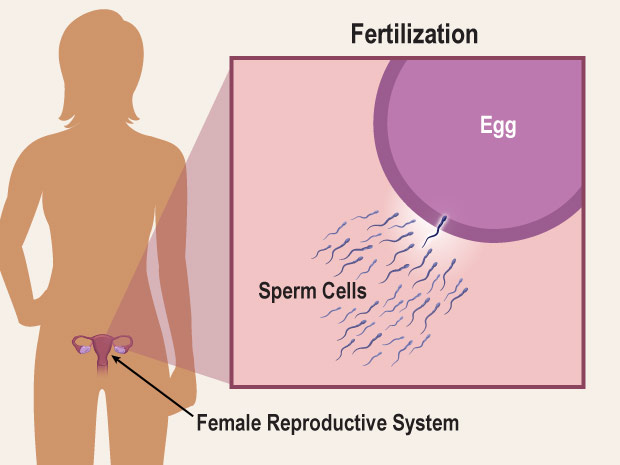
In the human reproductive process, two kinds of sex cells, or gametes (pronounced: GAH-meetz), are involved. The male gamete, or sperm, and the female gamete, the egg or ovum, meet in the female's reproductive system. When sperm fertilizes (meets) an egg, this fertilized egg is called a zygote (pronounced: ZYE-goat). The zygote goes through a process of becoming an embryo and developing into a fetus.
The male reproductive system and the female reproductive system both are needed for reproduction.
Humans, like other organisms, pass some characteristics of themselves to the next generation. We do this through our genes, the special carriers of human traits. The genes that parents pass along are what make their children similar to others in their family, but also what make each child unique. These genes come from the male's sperm and the female's egg.
What Is the Male Reproductive System?
The male reproductive system is made up of the parts inside and outside the body that help a male (along with a female) make a baby.
The male reproductive system also makes sex hormones, which help a body grow into a sexually mature male.
What Are the Parts of the Male Reproductive System?
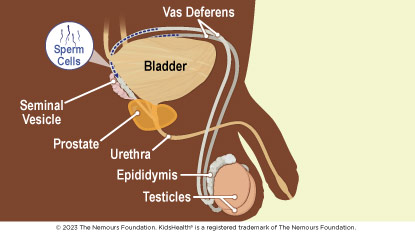
The male reproductive system has parts — including reproductive organs, or genitals — inside and outside the pelvis.
Outside Parts of the Male Reproductive System
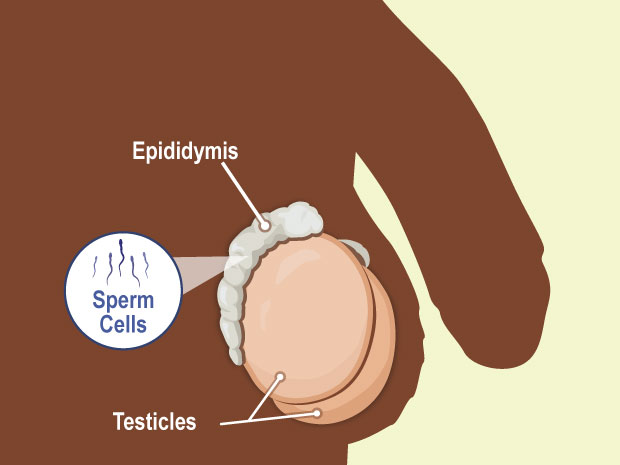
Testicles (Testes)
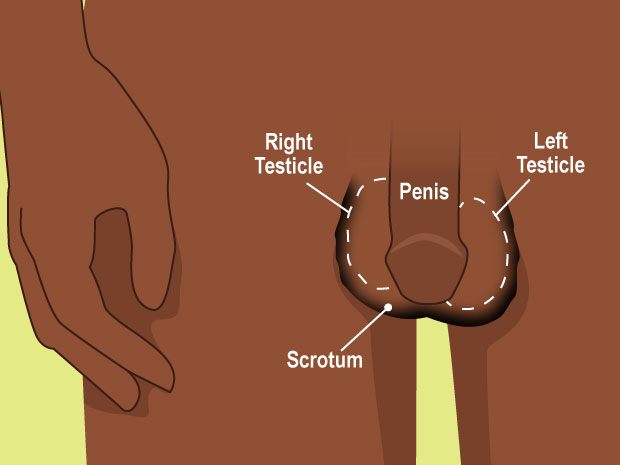
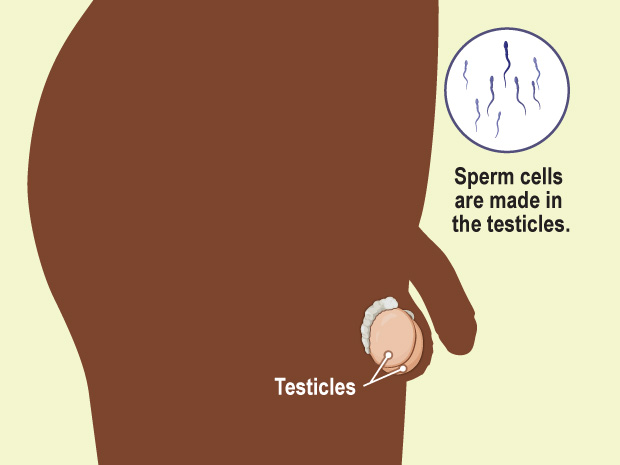
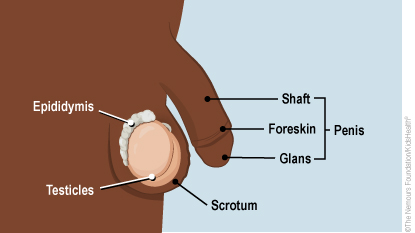
The testicles (pronounced: TESS-tih-kulz), or testes (pronounced: TESS-teez), are two oval-shaped organs that make and store millions of tiny male sex cells called sperm after puberty. The testicles are also part of the endocrine system because they make hormones like testosterone (pronounced: tess-TOSS-tuh-rone). This hormone causes a deeper voice, bigger muscles, and body and facial hair. It also gets the body to make sperm.
Scrotum
This is a bag of skin outside the pelvis that holds the testicles. The scrotum’s function is to help keep the testicles at the right temperature. They need to be kept cooler than body temperature to make sperm.
When the body is warm, the scrotum gets larger and floppier to get rid of extra heat. When it’s cold, the scrotum shrinks and becomes tighter to hold in body heat. The brain and other parts of the nervous system tell the scrotum when to change size.
Epididymis
The epididymis (pronounced: ep-uh-DID-uh-miss) is a tube that’s next to each testicle, and it stores sperm.
Penis
This male sex organ is inserted into the vagina during vaginal sex. The penis has a few parts:
- Shaft. This is the main part. The inside of the penis is made of a spongy tissue that can get bigger or smaller.
- Glans. This is the tip or head. At the end of the glans is a small slit where pee and semen (fluid that carries sperm) leave the body.
- Foreskin. This fold of skin is at the end of the penis and covers the glans. Some families choose to have a doctor or clergy member do a circumcision (cutting away of the foreskin). This may be done based on religious beliefs, concerns about hygiene, or cultural or social reasons. People who have circumcised penises and those who don't are no different: All penises work the same, whether or not the foreskin has been removed.
Inside Parts of the Male Reproductive System
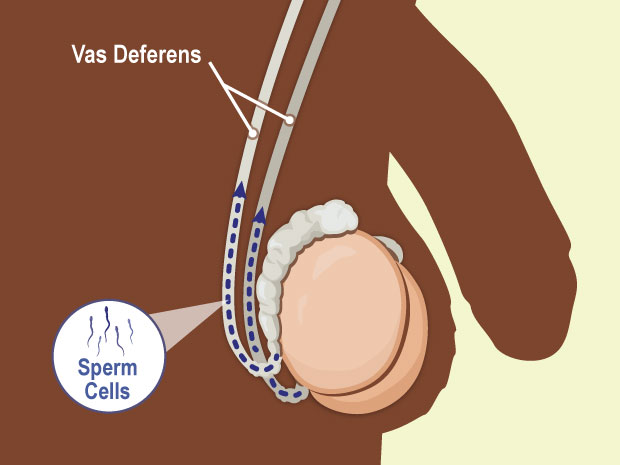
Vas Deferens
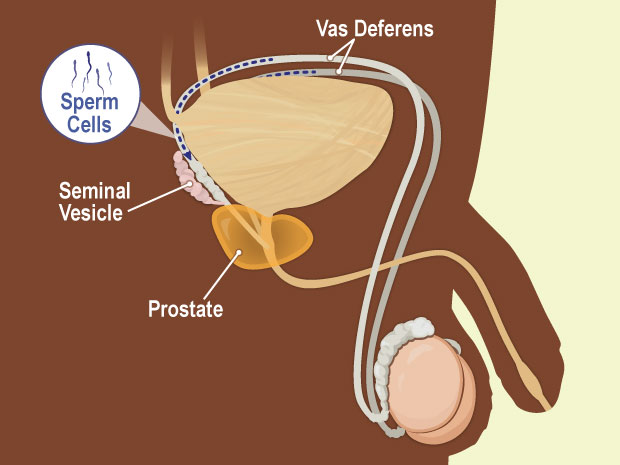
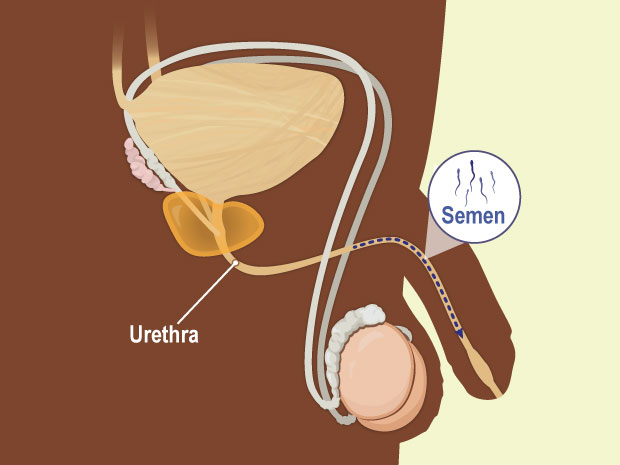
The vas deferens (pronounced: VAS DEF-uh-runz), or sperm duct, is a thin muscular tube that moves sperm from the epididymis to a tube called the urethra (pronounced: yoo-REE-thruh). The epididymis and vas deferens make up the duct system.
Urethra
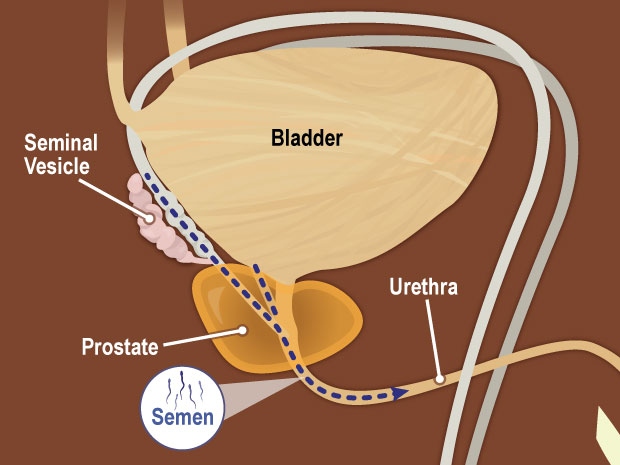
The urethra is a tube that carries sperm — in semen — to the outside of the body through the penis. The urethra is also part of the urinary system because pee passes through it as it leaves the bladder (the muscular sac that stores pee until it goes through the urethra) and exits the body.
Seminal Vesicles
These two pouches are at the base of the bladder. The vesicles make fluid to nourish sperm and help it move along. The seminal vesicles are an accessory gland (parts of the male reproductive system that help create seminal fluid).
Prostate Gland
This walnut-sized gland surrounds part of the urethra and makes some of the fluid in semen. Like the seminal vesicles, the prostate gland is an accessory gland.
How Does the Male Reproductive System Work?
When males are born, all the parts of the reproductive system are in place. But reproduction isn't possible until sexual maturity, which happens during puberty. Puberty tends to start when boys are between 9 and 15 years old.
Puberty
During puberty, the pituitary gland, which is near the brain, makes hormones that tell the testicles to make testosterone. This causes many changes in the body. Although the timing of these changes is different for everyone, the stages of puberty generally follow a set sequence:
- the scrotum and testicles get bigger
- hair grows in the pubic area
- the penis gets longer
- hair grows under the arms and on the face, and the voice deepens
- the body has a growth spurt
During this time, the seminal vesicles and prostate gland grow and sperm cells form.
How Do Sperm Cells Form?
In male anatomy, sperm develop in the testicles within a system of tiny tubes called the seminiferous tubules. At birth, these tubules contain simple round cells. During puberty, testosterone and other hormones cause these cells to transform into sperm cells.
Sperm cells divide and change until they have a head and short tail, like tadpoles. The head contains genetic material (genes). The sperm move into the epididymis, where they finish growing. A sperm cell is very small: 1/600 of an inch (0.05 millimeters) long. At puberty, a male will make millions of sperm cells each day.
The sperm then move to the vas deferens. The seminal vesicles and prostate gland make a whitish fluid called seminal fluid. This mixes with sperm to form semen when a male is sexually aroused.
Sexual Arousal
The penis, which tends to hang limp, becomes hard when a male is sexually excited. Tissues in the penis fill with blood, and it becomes stiff and erect (an erection). The stiffness of an erect penis makes it easier to insert into the female's vagina during sex.
When the erect penis is stimulated, muscles around the reproductive organs tighten. The muscles force the semen through the duct system and urethra. Semen is pushed out of the body through the urethra — this is called ejaculation. Each ejaculation can carry up to 500 million sperm.
Sexual Intercourse
If semen is ejaculated into a vagina, the sperm "swim" and fertilize (meet) the female sex cell called the egg in the female's reproductive system. It takes only one sperm to fertilize the egg.
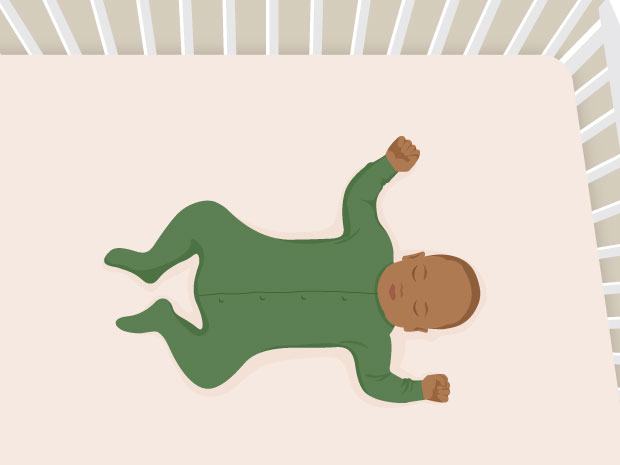
If a sperm fertilizes the egg, this is then called a zygote. It has genes — half are from the egg and half are from the sperm. The zygote grows during pregnancy, becoming an embryo and then a fetus. After about 40 weeks from the time the egg is fertilized, a baby is born.
 Note: All information is for educational purposes only. For specific medical advice,
diagnoses, and treatment, consult your doctor.
Note: All information is for educational purposes only. For specific medical advice,
diagnoses, and treatment, consult your doctor.
© 1995- The Nemours Foundation. KidsHealth® is a registered trademark of The Nemours Foundation. All rights reserved.
Images sourced by The Nemours Foundation and Getty Images.