How to Take an Axillary (Armpit) Temperature

How Do I Take an Axillary (Armpit) Temperature?
The axillary (armpit) method is a convenient way to take a child's temperature, especially for kids who can't hold a thermometer in their mouths. But an axillary (AK-seh-ler-ee) reading is not as accurate as a rectal temperature, or an oral temperature in kids who are old enough to cooperate.
To take an axillary temperature:
- Use a digital thermometer. Don’t use a glass thermometer, as these aren’t safe.
- If your child has just taken a bath or has been under blankets or in multiple layers (or swaddled, if an infant), wait about 20–30 minutes to take the temperature.
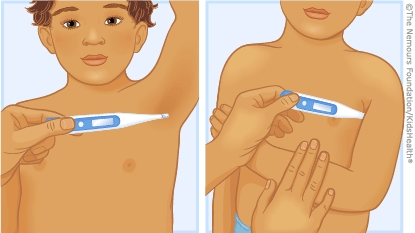
- Remove your child's shirt and place the thermometer under an armpit (it must touch skin only, not clothing).
- Fold your child's arm across the chest to hold the thermometer in place.
- Wait until you hear the right number of beeps or other signal that the temperature is ready to be read. Write down the number on the screen, noting the time of day that you took the reading.
- A reading of 99°F (37.2°C) or above means your child has a fever.
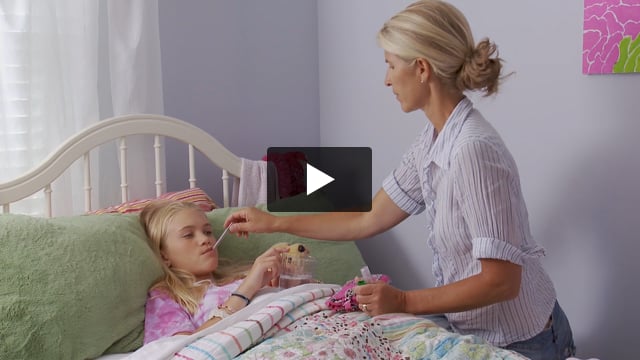
Taking Your Child’s Temperature
Your child feels warm, but is it a fever? Now, more than never, it’s important to know. Here's how to use a thermometer to get an accurate reading at every age.
 Note: All information is for educational purposes only. For specific medical advice,
diagnoses, and treatment, consult your doctor.
Note: All information is for educational purposes only. For specific medical advice,
diagnoses, and treatment, consult your doctor.
© 1995- The Nemours Foundation. KidsHealth® is a registered trademark of The Nemours Foundation. All rights reserved.
Images sourced by The Nemours Foundation and Getty Images.
Humana Healthy Horizons in Ohio
- Humana Healthy Horizons
- Humana Healthy Horizons Extras
- Member Support
- Care management
- Caregiver resources
- Child well-being
- Disease management
- Documents and forms
- Enrollment
- Grievances and appeals
- Health and wellness
- KidsHealth
- Member Handbook
- New Member Resources
- News and alerts
- OhioRISE Plan
- Pregnancy outcomes
- Tobacco cessation
- Why Humana
- Your primary care provider
- For Providers
- Contact us
- Accessibility
- Humana Healthy Horizons
- Humana Healthy Horizons Extras
- Member Support
- Care management
- Caregiver resources
- Child well-being
- Disease management
- Documents and forms
- Enrollment
- Grievances and appeals
- Health and wellness
- KidsHealth
- Member Handbook
- New Member Resources
- News and alerts
- OhioRISE Plan
- Pregnancy outcomes
- Tobacco cessation
- Why Humana
- Your primary care provider
- For Providers
- Contact us
- Accessibility