Vaccines & Your Child: Common Questions

It’s a lot easier to prevent a disease than to treat it. That’s why vaccines (or immunizations) are so important — they help protect kids before they get sick from serious conditions. Learn other reasons to vaccinate babies, kids, and teens and find answers to your common questions about vaccines.
How Do Vaccines Work?
Vaccines help your body learn how to fight off certain germs. Most vaccines are made from a dead or weakened germ — or parts of it — that causes a certain disease. When you get a vaccine (called vaccination), your body’s immune system sees the germ and starts practicing how to fight it. Your body does this by making special proteins called antibodies, which know how to spot and attack the germ.
These antibodies last a long time in the body. So if the real germ enters your body someday, your immune system is ready to fight it off quickly. This helps keep you from getting the disease the germ can cause. This protection is called immunity. The way vaccines make us immune or resistant to diseases is called immunization.
Why Do Healthy Kids Need to Be Vaccinated?
Vaccines are meant to help keep healthy kids healthy. They work by protecting the body before it catches a disease. So if a vaccine is given when a child is already sick, it’s too late for the vaccine to work. The best time to vaccinate kids is when they're healthy.
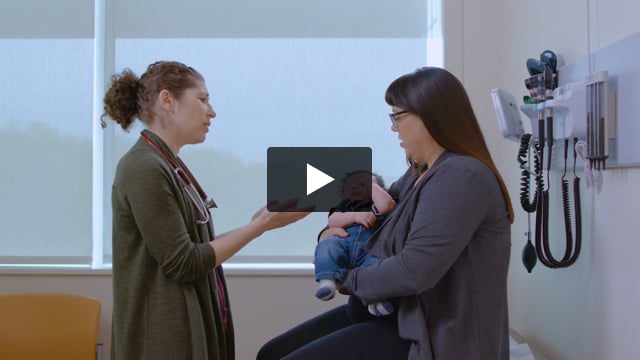
How Vaccines Help
Vaccines keep millions of people healthy each year by preparing the body to fight illness. Learn how vaccines help and get answers to your biggest questions about vaccines.
Does My Child Need Vaccines if All the Other Kids in School Are Vaccinated?
Even if all the other kids at school are fully vaccinated (have gotten all their vaccines), your child needs to get them, too.
It’s true that one child's chance of catching a disease is low if everyone else has gotten all their vaccines. But your child is also exposed to other people at school. And if one person thinks about skipping vaccines, chances are that others are thinking the same thing. Each child who isn't vaccinated gives highly contagious illnesses (ones that are easy to catch from someone else) another chance to spread.
Vaccination rates are fairly high in the United States, but there's no sure way to know if everyone your child has contact with has been vaccinated. That's especially true now that so many people travel to and from other countries. During travel, someone could be exposed to germs that are more common in other places, like measles or polio. So the best way to protect your kids is through vaccination.
Can Getting So Many Vaccines at One Time Harm My Baby?
Sometimes, kids can have a mild reaction to a vaccine, like a mild fever or rash, but this can happen whether vaccines are given alone or at the same time. Babies have stronger immune systems than you might think, and they can handle far more germs than the small amount that’s in vaccines. Also, the risk of serious reactions is small compared with the health risks from the diseases that vaccines help prevent.
A lot of thought and research went into making the vaccine schedule most doctors use, and it’s been proven safe. Still, some parents choose to use different, or alternative, schedules (spreading or "spacing out" vaccines) because they're concerned about the number of shots their babies get at each checkup. Doing this actually makes a baby more likely to get sick. Studies show that many babies on alternative vaccine schedules never get all the vaccines they need.
Plus, alternative schedules can mean that you'll have to take your child to the doctor — and your child will have to get a shot — more often.
Why Do Kids Need Vaccines for a Disease That's Disappeared?
Diseases that are rare or wiped out in the United States, like polio, still exist in other parts of the world. Doctors keep vaccinating against them because it's easy to come into contact with illnesses through travel. This could be when Americans go abroad or when people who aren't fully vaccinated come to the United States.
For example, even though measles was declared gone from the U.S. in 2000, in recent years many states have had outbreaks (when more people get sick with a disease than expected in one area). Many of the people who get measles aren’t vaccinated. Other diseases that can be prevented with vaccines — like whooping cough, mumps, and hepatitis A — have also had outbreaks. This shows that these diseases can still spread if people aren’t protected.
It's safe to stop vaccinations for a certain disease only when it’s no longer found anywhere in the world. This is what happened with smallpox, which no longer requires vaccination.
Why Should My Child Get Vaccines If They Don’t Always Work?
Vaccines are one of the best ways to protect against disease because they work most of the time. Even if a vaccine doesn’t stop your child from catching an illness, the vaccine can still help the body fight it off more easily. That means your child will be less likely to get sick, have serious problems, or need to go to the hospital. Vaccines also help stop diseases from spreading to other people.
Do Vaccines Always Prevent Diseases?
No vaccine can fully prevent a disease, but vaccines greatly reduce the chance of serious symptoms if your child does get sick. That means vaccinated kids are less likely to get very ill and have problems from the disease or need to go to the hospital. Vaccines help the immune system “remember” germs and fight them faster so the body can respond better.
Where Can I Get Affordable Vaccines for My Child?
Health insurance plans are required to cover vaccines at no cost to the patient. Some plans cover vaccines only when they’re given by a doctor or at certain locations. So check with your insurance company. You can also get low-cost or free vaccines through many local public health clinics and community health centers.
The U.S. government's Vaccines for Children (VFC) Program covers routine vaccines for children who:
- are eligible for Medicaid
- don’t have health insurance or have health insurance that may not cover vaccine costs fully
- are Alaska Native or American Indian
The vaccines are provided by the government and given in a doctor's office. But the doctor's visit itself isn’t covered (unless the child has insurance, including Medicaid). Some public health clinics may cover both the visit and the vaccinations.
Where Can I Learn More About Vaccines?
Read about your child’s vaccines for details about each one that’s recommended. The American Academy of Pediatrics also has more information about vaccines.
And talk with your doctor about which vaccines your child needs. Working together, you can help keep your family healthy.
Other Common Questions
How Can I Comfort My Baby During Shots?
To help make shots easier for babies younger than 5 months old, try a set of tips called the "5 S's." Learn about these simple steps that can help you comfort your baby when it’s time for vaccines.
Do Kids Need Vaccines Before Traveling?
If you’ll be going to a different country for your family vacation, know that some places require certain vaccines to help keep your kids safe. Learn about travel vaccines your child might need.
Is There a Connection Between Vaccines and Autism?
No. There’s no connection between vaccines and autism spectrum disorder. Learn how the idea that vaccines play a role got started and why there’s no link.