
Baby Sleep: 4- to 7-Month-Olds
Sleeping Routines & Schedules
How Much Sleep Do 4- to 7-Month-Olds Need?
By 4, 5, 6, or 7 months, your baby should be well on the way toward having a regular sleep pattern. Some infants, particularly those who are breastfed, may still wake at night. But most no longer need a middle-of-the-night feeding.
Most babies this age should sleep 12–16 hours a day, which includes a longer stretch at night and at least two naps during the day, says the National Sleep Foundation. The average amount of daytime sleep is now about 3–4 hours.
By 6 months, most babies are sleeping at night for 9 hours or longer, with brief awakenings.

Safe Sleep for Babies
Keeping your baby safe is your first priority. Learn how to safely put your baby down for a nap, or at bedtime, to help prevent sudden infant death syndrome (SIDS).
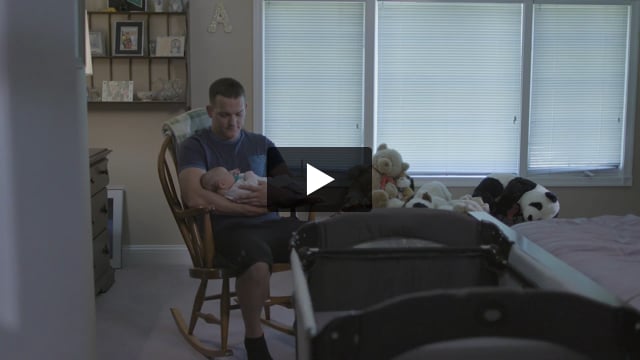
Helping Your Baby Sleep
Many sleep-deprived parents ask how to get their babies to be better sleepers. Learn what you can do to encourage sleep, what's normal in the first year, and when your little one might sleep through the night.
Sleep Safety
Where Should My Baby Sleep?
The American of Academy of Pediatrics (AAP) recommends room-sharing without bed-sharing until the first birthday or for at least 6 months, when the risk of SIDS (sudden infant death syndrome) is highest.
Room-sharing is when you place your baby's crib, portable crib, play yard, or bassinet in your own bedroom instead of in a separate nursery. This keeps your baby nearby and helps with feeding, comforting, and monitoring your baby at night.
While room-sharing is safe, putting your baby to sleep in bed with you is not. Bed-sharing increases the risk of SIDS and other sleep-related deaths.
Providing a Safe Sleep Space
Follow these recommendations for a safe sleep environment for your little one:
- Use a safe sleep position. Always place babies on their back to sleep, not on their stomach or side. The rate of SIDS has gone way down since the AAP began recommending this in 1992. When babies consistently roll over from front to back and back to front, it's fine for them to remain in the sleep position they choose.
- Use a firm, flat sleep surface. Cover the mattress with a sheet that fits snugly.
- Keep the sleep area clear. Do not put anything else in the crib or bassinet. Keep plush toys, pillows, blankets, unfitted sheets, quilts, comforters, sheepskins, and bumper pads out of your baby's sleep area.
- Prevent overheating. To avoid overheating, dress your baby for the room temperature and don't overbundle. Don't cover your baby's head while sleeping. Watch for signs of overheating, such as sweating or feeling hot to the touch.
- Avoid exposure to smoke. Keep your baby away from smokers. Secondhand smoke increases the risk of SIDS.
- Consider a pacifier. Offer a pacifier to your baby at sleep time, but don’t force it. If the pacifier falls out during sleep, you don’t have to replace it. If you're breastfeeding, wait until breastfeeding is firmly established.
- Remove hazards. Watch out for other hazards, such as items with cords, ties, or ribbons that can wrap around a baby's neck, and objects with any kind of sharp edge or corner. Look around for things that your baby can touch from a seated or standing position in the crib. Hanging mobiles, wall hangings, pictures, draperies, and window blind cords could be harmful if they are within a baby's reach.
- Use approved sleep products. Make sure that all sleep surfaces and products you use to help your baby sleep have been approved by the U.S. Consumer Product Safety Commission (CPSC) and meet federal safety standards. Also:
- Don’t let your baby fall asleep on a product that isn’t specifically designed for sleeping babies, such as a sitting device (like a car seat), a feeding pillow (like the Boppy pillow), or an infant lounger (like the Dock-a-Tot, Podster, and Bummzie).
- Don’t use products or devices that claim to lower the risk of SIDS, such as sleep positioners (like wedges or incliners) or monitors that can detect a baby’s heart rate and breathing pattern. No known products can actually do this.
- Don’t use weighted blankets, sleepers, or swaddles on or around your baby.
How Can I Help My Baby Sleep?
You may have started a bedtime routine that you're sticking to. If you haven't yet, now is a good time to start. Soothing activities that lead up to "night-night" time can help relax your baby. A warm bath followed by stories or singing will signal an end to the day, and these same activities can be used at bedtime for years to come.
You'll want your baby to fall asleep without your help. This may mean doing your nighttime routine and putting your little one into the crib while your baby is drowsy but still awake. If your baby cries, stay away for a few minutes. Your baby may settle down and go to sleep.
If the crying continues, soothe your baby for a moment without picking your little one up. This may go on a few times until your baby figures out that the crying is not getting results. This can be tough for parents, since it's upsetting to hear your baby cry. If you know your baby is safe (and not hungry, wet, soiled, or feeling unwell), it's OK to give time to settle down.
Why Does My Baby Wake at Night?
Even a baby who has been sleeping through the night will sometimes wake in the wee hours, just as adults do. Some babies may call out or cry in the middle of the night, then calm down when a parent enters the room. This is due to separation anxiety, a normal stage of development that happens during this time.
Give your baby a few fussy minutes before you respond. After seeing that everything is OK and reassuring your baby without taking your little one out of the crib, leave your baby alone to fall back to sleep.
Remember: Cuddling, feeding, or talking when your baby wakes up may prompt your little one to wake regularly for this attention.
When Should I Call the Doctor?
Most infants at this age will have a regular sleep routine and are able to sleep through the night. But there is a wide range of "normal." If you have any questions about your baby's sleep, talk with your doctor.