
Skip Navigation

Medical Tests and Procedures (Video Landing Page)

Medical Tests and Procedures (Video Landing Page)

If your doc has you scheduled for medical tests, you might wonder what's involved. These videos show what happens in 10 of the most common medical procedures.

  • Blood Test

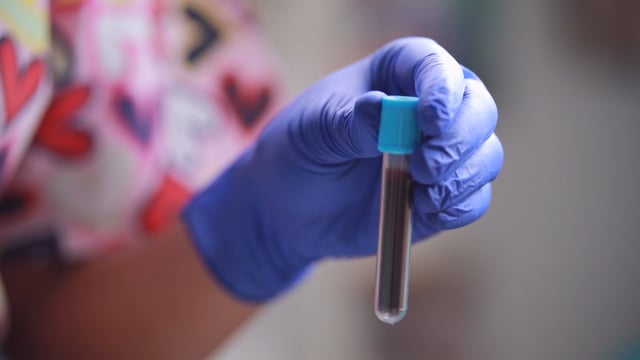
    Blood Test

    Your blood gives doctors all kinds of clues about your health. It's normal to be nervous about this test — no one loves needles. But most blood draws take less than a minute.Arrow Button

  • CAT Scan

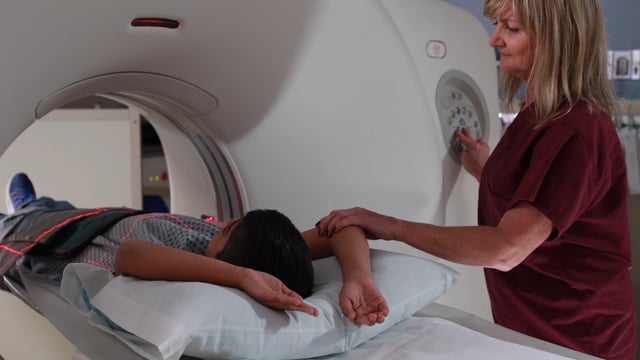
    CAT Scan

    CAT stands for "computerized axial tomography." Translated, that means a scanner takes computer pictures of what's going on inside your body. The scan itself is painless. All you'll need to do is hold still for a few minutes at a time so the pictures come out clear.Arrow Button

  • EKG

    EKG

    EKG (also called ECG) is short for electrocardiogram. "Electro" refers to the heart's natural electrical activity, which the test records through small wires taped on your chest. You won't feel a thing.Arrow Button

  • IV

    IV

    Doctors and nurses use IVs to get fluids or medicines directly into a person's vein. IV is short for intravenous. Yes, there's a needle involved — but only for a couple of seconds.Arrow Button

  • MRI

    MRI

    An MRI (magnetic resonance imaging) scan creates detailed pictures of the inside of the body. The test is painless. All you'll need to do is hold still for several minutes at a time so the pictures come out clear.Arrow Button

  • Spirometry

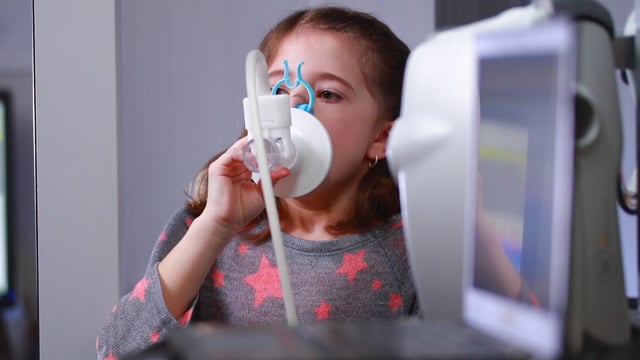
    Spirometry

    A spirometer measures how well your lungs work to help doctors diagnose asthma and other breathing problems. This test is as easy as blowing out your birthday candles.Arrow Button

  • Strep Test

    Strep Test

    If you have a sore throat, a doctor or nurse may wipe the back of your throat to test for strep bacteria. It won't hurt and it only takes a couple of seconds.Arrow Button

  • Upper GI

    Upper GI

    An upper GI test is a type of X-ray that helps doctors learn how your digestive system works. It doesn't hurt, although you won't be able to eat for a few hours beforehand.Arrow Button

  • Urine Test

    Urine Test

    It may seem gross and embarrassing to pee in a cup, but docs learn a lot from urine tests. Obviously, this test doesn't hurt. And if you know what to expect, it doesn't have to be embarrassing either.Arrow Button

  • Xray

    X-ray

    X-rays let doctors see what's going on inside a person's body — like if a bone is broken and how badly. These tests are quick and painless. You'll just need to sit still for a minute or two as the image is taken.Arrow Button


Note: All information on KidsHealth® is for educational purposes only. For specific medical advice, diagnoses, and treatment, consult your doctor.

© 1995-2009 The Nemours Foundation. All rights reserved.