Your Kidneys

Everybody knows that some organs in the human body are necessary for survival: you need your brain, your heart, your lungs, your kidneys...
KIDNEYS? Absolutely. Even though you won't find a Valentine's Day card with a kidney on the cover, the kidneys are every bit as important as the heart. You need at least one kidney to live!
What Are Kidneys?
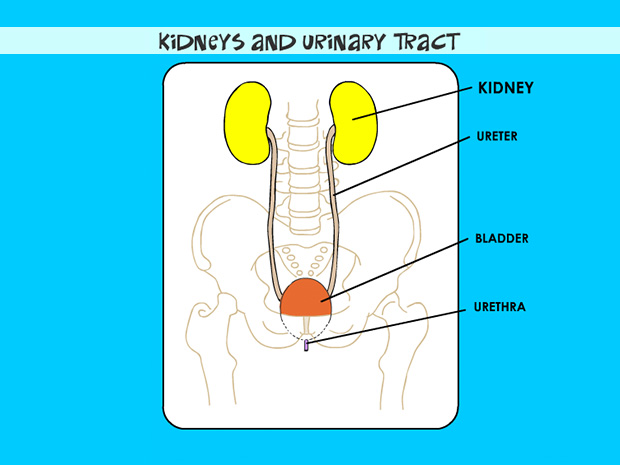
Kidneys normally come in pairs. If you've ever seen a kidney bean, then you have a pretty good idea what the kidneys look like. Each kidney is about 5 inches (about 13 centimeters) long and about 3 inches (about 8 centimeters) wide — about the size of a computer mouse.
To locate your kidneys, put your hands on your hips, then slide your hands up until you can feel your ribs. Now if you put your thumbs on your back, you will know where your kidneys are. You can't feel them, but they are there. Read on to find out more about the cool kidneys.
What Do Kidneys Do?
One of the main jobs of the kidneys is to filter the waste out of the blood. How does the waste get in your blood? Well, your blood delivers nutrients to your body. Chemical reactions in the cells of your body break down the nutrients. Some of the waste is the result of these chemical reactions. Some is just stuff your body doesn't need because it already has enough. The waste has to go somewhere; this is where the kidneys come in.
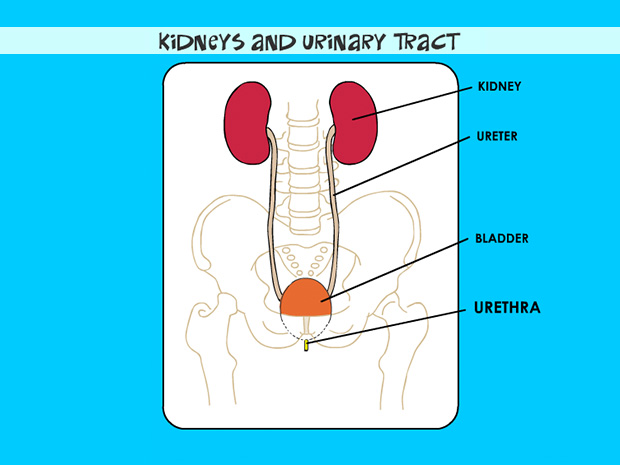
First, blood is carried into the kidneys by the renal artery (anything in the body related to the kidneys is called "renal"). The average person has 1 to 1½ gallons of blood circulating through his or her body. The kidneys filter that blood about 40 times a day! More than 1 million tiny filters inside the kidneys remove the waste. These filters, called nephrons (say: NEH-fronz), are so small you can see them only with a high-powered microscope.
How Is Pee Made?
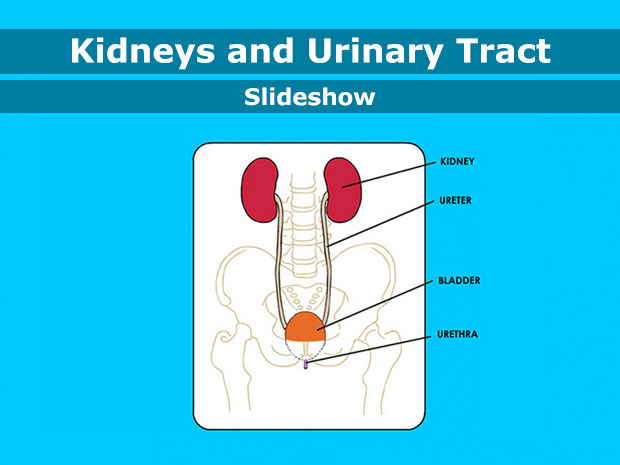
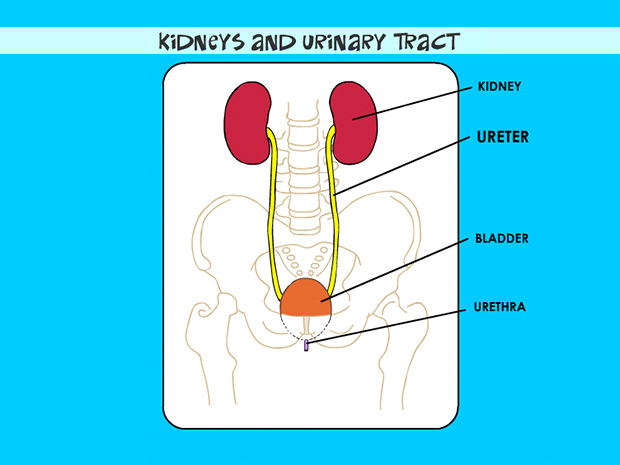
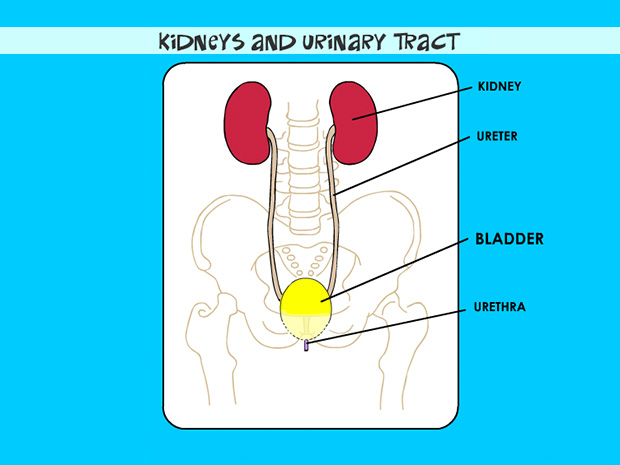
The waste that is collected combines with water (which is also filtered out of the kidneys) to make urine (pee). As each kidney makes urine, the urine slides down a long tube called the ureter (say: yu-REE-ter) and collects in the bladder, a storage sac that holds the pee.
When the bladder is about halfway full, your body tells you to go to the bathroom. When you pee, the urine goes from the bladder down another tube called the urethra (say: yu-REE-thruh) and out of your body.
The kidneys, the bladder, and their tubes are called the urinary system. Here's a list of all of the parts of the urinary system:
- the kidneys: filters that take the waste out of the blood and make pee
- the ureters: tubes that carry the urine from each kidney to the bladder
- the bladder: a sac that collects the pee
- the urethra: a tube that carries the pee from the bladder out of the body
What's Homeostasis?
The kidneys also balance the volume of fluids and minerals in the body. This balance in the body is called homeostasis (say: hoh-mee-oh-STAY-sus).
If you put all of the water that you take in on one side of a scale and all of the water your body gets rid of on the other side of a scale, the sides of the scale would be balanced. Your body gets water when you drink it or other liquids. You also get water from some foods, like fruits and vegetables.
Water leaves your body in several ways. It comes out of your skin when you sweat, out of your mouth when you breathe, and out of your urethra in urine when you go to the bathroom. There is also water in your bowel movements (poop).
When you feel thirsty, your brain is telling you to get more fluids to keep your body as balanced as possible. If you don't have enough fluids in your body, the brain communicates with the kidneys by sending out a hormone that tells the kidneys to hold on to some fluids. When you drink more, this hormone level goes down, and the kidneys will let go of more fluids.
You might notice that sometimes your pee is darker in color than other times. Remember, pee is made up of water plus the waste that is filtered out of the blood. If you don't take in a lot of fluids or if you're exercising and sweating a lot, your pee has less water in it and it looks darker. If you're drinking lots of fluids, the extra fluid comes out in your pee, and it will be lighter.
What Else Do Kidneys Do?
Kidneys are always busy. Besides filtering the blood and balancing fluids every second during the day, the kidneys constantly react to hormones that the brain sends them. Kidneys even make some of their own hormones. For example, the kidneys produce a hormone that tells the body to make red blood cells.
Now you know what the kidneys do and how important they are. Maybe next Valentine's Day, instead of the same old heart, you can give your parents a special card featuring the kidneys!