
Your Muscles

What Do Muscles Do?
Did you know you have more than 600 muscles in your body? They do everything from pumping blood throughout your body to helping you lift your heavy backpack. You control some of your muscles, while others — like your heart — do their jobs without you thinking about them at all.
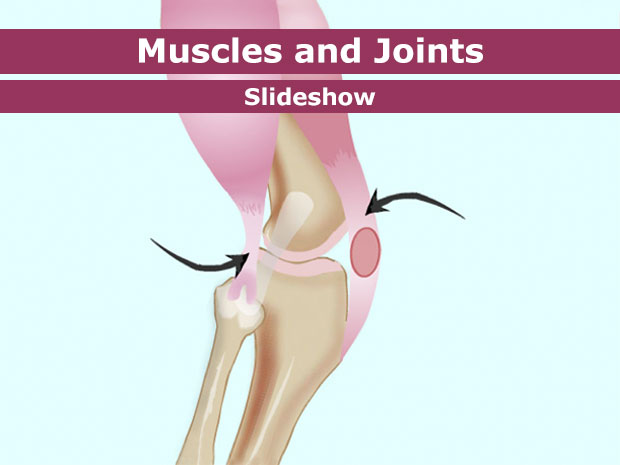
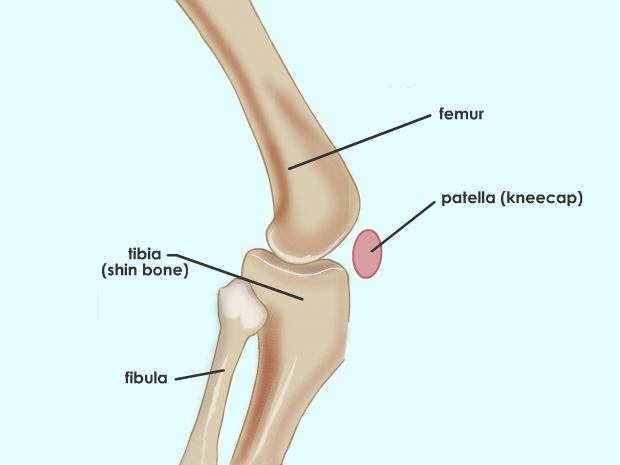
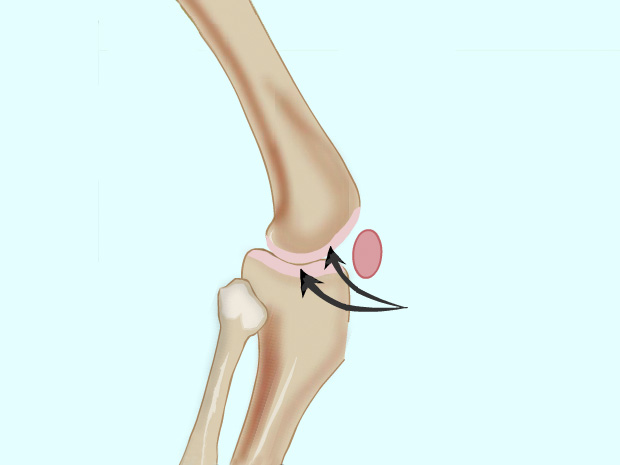
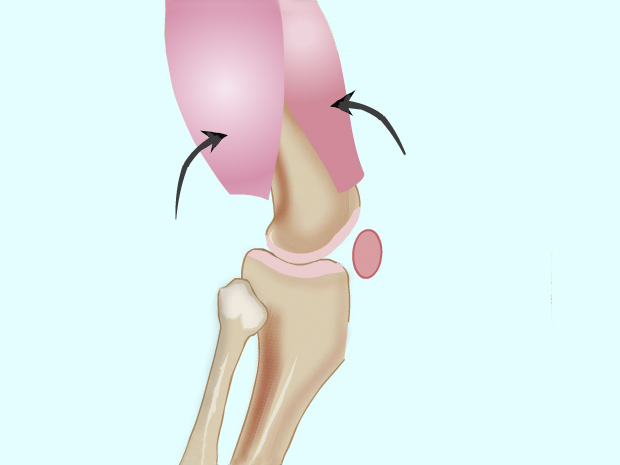
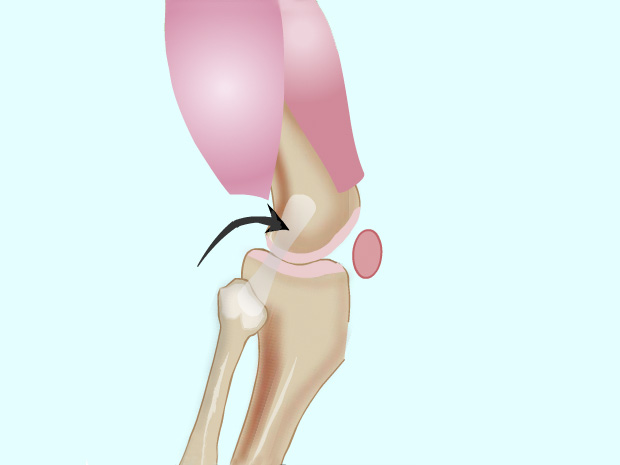
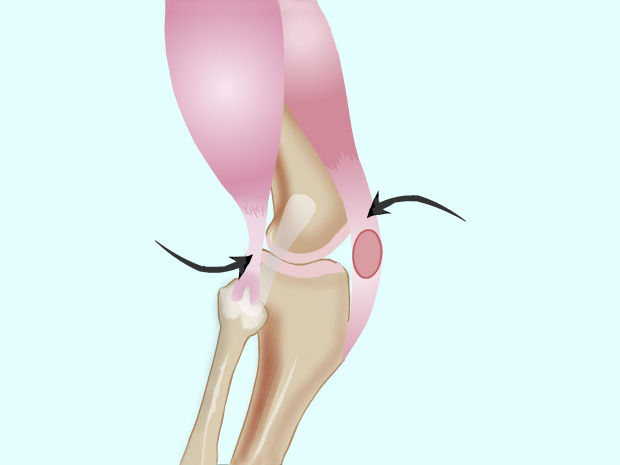
Muscles are all made of the same material, a type of elastic tissue (sort of like the material in a rubber band). Thousands, or even tens of thousands, of small fibers make up each muscle.
What Are the Three Types of Muscles?
You have three different types of muscles in your body:
- smooth muscle
- cardiac (say: KAR-dee-ak) muscle, and
- skeletal (say: SKEL-uh-tul) muscle
What Are Smooth Muscles?
Smooth muscles — sometimes also called involuntary muscles — are usually in sheets, or layers, with one layer of muscle behind the other. You can't control this type of muscle. Your brain and body tell these muscles what to do without you even thinking about it. You can't use your smooth muscles to make a muscle in your arm or jump into the air.
But smooth muscles are at work all over your body. In your stomach and digestive system, they contract (tighten up) and relax to allow food to make its journey through the body. Your smooth muscles come in handy if you're sick and you need to throw up. The muscles push the food back out of the stomach so it comes up through the esophagus (say: ih-SAH-fuh-gus) and out of the mouth.
Smooth muscles are also found in your bladder. When they're relaxed, they allow you to hold in urine (pee) until you can get to the bathroom. Then they contract so that you can push the urine out. These muscles are also in a woman's uterus, which is where a baby develops. There they help to push the baby out of the mother's body when it's time to be born.
You'll find smooth muscles at work behind the scenes in your eyes, too. These muscles keep the eyes focused.
What's the Cardiac (Heart) Muscle?
The muscle that makes up the heart is called cardiac muscle. It is also known as the myocardium (say: my-uh-KAR-dee-um). The thick muscles of the heart contract to pump blood out and then relax to let blood back in after it has circulated through the body.
Just like smooth muscle, cardiac muscle works all by itself with no help from you. A special group of cells within the heart are known as the pacemaker of the heart because it controls the heartbeat.
What Are the Skeletal (Striated) Muscles?
Now, let's talk about the kind of muscle you think of when we say "muscle" — the ones that show how strong you are and let you boot a soccer ball into the goal. These are your skeletal muscles — sometimes called striated (say: STRY-ay-tud) muscle because the light and dark parts of the muscle fibers make them look striped (striated is a fancy word meaning striped).
Skeletal muscles are voluntary muscles, which means you can control what they do. Your leg won't bend to kick the soccer ball unless you want it to. These muscles help to make up the musculoskeletal (say: mus-kyuh-low-SKEL-uh-tul) system — the combination of your muscles and your skeleton, or bones.
Together, the skeletal muscles work with your bones to give your body power and strength. In most cases, a skeletal muscle is attached to one end of a bone. It stretches all the way across a joint (the place where two bones meet) and then attaches again to another bone.
What Are Tendons?
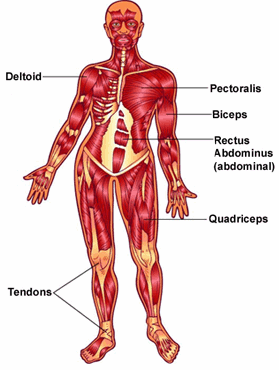
Skeletal muscles are held to the bones with the help of tendons (say: TEN-dunz). Tendons are cords made of tough tissue, and they work as special connector pieces between bone and muscle. The tendons are attached so well that when you contract one of your muscles, the tendon and bone move along with it.
What Do Face Muscles Do?
You may not think of it as a muscular body part, but your face has plenty of muscles. You can check them out next time you look in the mirror. Facial muscles don't all attach directly to bone like they do in the rest of the body. Instead, many of them attach under the skin. This allows you to contract your facial muscles just a tiny bit and make dozens of different kinds of faces. Even the smallest movement can turn a smile into a frown. You can raise your eyebrow to look surprised or wiggle your nose.
And while you're looking at your face, don't pass over your tongue — a muscle that's attached only at one end! Your tongue is actually made of a group of muscles that work together to allow you to talk and help you chew food. Stick out your tongue and wiggle it around to see those muscles at work.
What Are Some Major Skeletal Muscles?
Skeletal muscles come in many different sizes and shapes to allow them to do many types of jobs. Some of the biggest and most powerful muscles are your calf and thigh muscles. They give your body the power it needs to lift and push things. Muscles in your neck and the top part of your back aren't as large, but they are capable of some pretty amazing things: Try rotating your head around, back and forth, and up and down to feel the power of the muscles in your neck. These muscles also hold your head high.
Because there are so many skeletal muscles in your body, we can't list them all here. But here are a few of the major ones:
What's the Deltoid Muscle?
- In each of your shoulders is a deltoid (say: DEL-toyd) muscle. Your deltoid muscles help you move your shoulders every which way — from swinging a softball bat to shrugging your shoulders when you're not sure of an answer.
What Are the Pectoralis Muscles (Pecs)?
- The pectoralis (say: pek-tuh-RAH-lus) muscles are found on each side of your upper chest. These are usually called pectorals (say: PEK-tuh-rulz), or pecs, for short. When many boys hit puberty, their pectoral muscles become larger. Many athletes and bodybuilders have large pecs, too.
What Are the Rectus Abdominus Muscles (Abs)?
- Below these pectorals, down under your ribcage, are your rectus abdominus (say: REK-tus ab-DAHM-uh-nus) muscles, or abdominals (say: ab-DAHM-uh-nulz). They're often called abs for short.
What Is the Biceps Muscle?
- When you make a muscle in your arm, you tense your biceps (say: BYE-seps) muscle. When you contract your biceps muscle, you can actually see it push up under your skin.
What Are the Quadriceps (Quads)?
- Your quadriceps (say: KWAD-ruh-seps), or quads, are the muscles on the front of your thighs. Many people who run, bike, or play sports develop large, strong quads.
What Is the Gluteus Maximus?
- And when it's time for you to take a seat? You'll be sitting on your gluteus maximus (say: GLOOT-ee-us MAK-suh-mus), the muscle that's under the skin and fat in your behind!
 Note: All information is for educational purposes only. For specific medical advice,
diagnoses, and treatment, consult your doctor.
Note: All information is for educational purposes only. For specific medical advice,
diagnoses, and treatment, consult your doctor.
© 1995- The Nemours Foundation. KidsHealth® is a registered trademark of The Nemours Foundation. All rights reserved.
Images sourced by The Nemours Foundation and Getty Images.