




Different Ages — Different Humor
Kids can start developing a sense of humor at a very young age. But what's funny to a toddler won't be funny to a teen. To help your kids at each stage of development, it's important to know what's likely to amuse them.
Babies
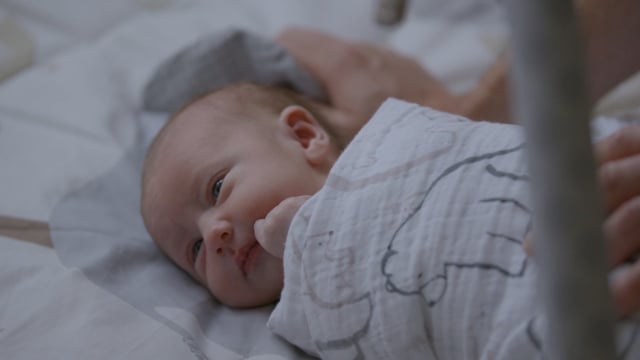
Babies don't really understand humor, but they do know when you're smiling and happy. When you make funny noises or faces and then laugh or smile, your baby is likely to sense your joy and imitate you. He or she is also highly responsive to physical stimuli, like tickling or raspberries.
Sometime between 9 and 15 months, babies know enough about the world to understand that when mom puts a diaper on her head or quacks like a duck, she's doing something unexpected — and that it's funny.

Toddlers
Toddlers appreciate physical humor, especially the kind with an element of surprise (like peek-a-boo or an unexpected tickle). As kids develop language skills, they'll find rhymes and nonsense words funny — and this will continue well into the preschool years.
And it's around this time that many kids start trying to make their parents laugh. Your child might deliberately point to the wrong facial feature when asked "Where's your nose?" or put on your shoes and clomp around the house.
Preschoolers
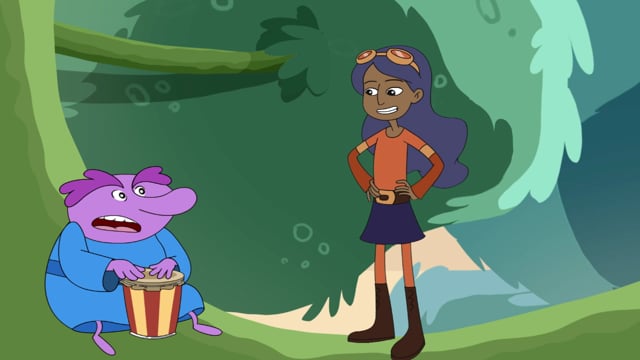
A preschooler is more likely to find humor in a picture with something out of whack (a car with square wheels, a pig wearing sunglasses) than a joke or pun. Incongruity between pictures and sounds (a horse that says moo) is also funny for this age group. And as they become more aware of bodily functions and of what gets a parent's goat, preschoolers often start delighting in bathroom humor.
School-age Kids
As kids move into kindergarten and beyond, basic wordplay, exaggeration, and slapstick will all be increasingly funny. They may discover the pleasure of telling simple jokes (it's fun to be the one who knows the punchline!) and will repeat the same jokes over and over.
Older grade-schoolers have a better grasp of what words mean and are able to play with them — they like puns, riddles, and other forms of wordplay. They'll also start making fun of any deviation from what they perceive as "normal" forms of behavior or dress, and gross-out jokes related to bodily functions are a hit too.
But kids this age are also developing more subtle understandings of humor, including the ability to use wit or sarcasm and to handle adverse situations using humor.